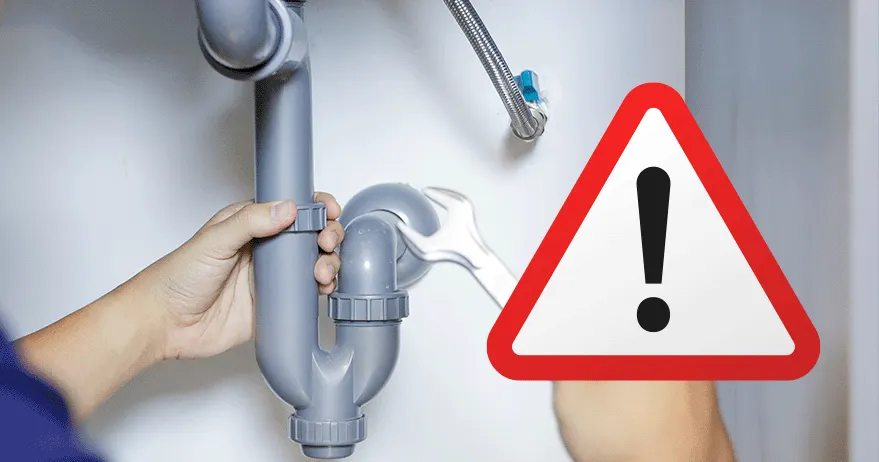
Did you know that nearly 10% of homes have leaks that waste at least 90 gallons of water a day? This is just one example of the common plumbing mistakes homeowners make and how to fix them. Whether you’re dealing with a leaky faucet, stubborn clogs, or improperly installed fixtures, these issues can lead to bigger problems if left unchecked. Proper plumbing is essential not only for the functionality of your home but also for saving money on water bills and avoiding costly repairs. In this blog post, we will explore these common pitfalls in greater detail and provide actionable solutions to keep your plumbing system running smooth.
Overview of Plumbing in Homes Proper plumbing is crucial for maintaining a safe and comfortable living environment. Powerful water systems enable us to handle everyday tasks easily, from cooking to sanitation. However, an alarming number of homeowners neglect their plumbing systems until something goes wrong. This blog post dives into common plumbing mistakes homeowners make and how to fix them, ensuring your home remains in top condition.
Common Plumbing Mistakes Homeowners Make
Neglecting Regular Maintenance
One of the most frequent mistakes is neglecting regular plumbing maintenance. Routine checks can save you from substantial repairs and water damage down the line. Homeowners often overlook:
- Checking for visible leaks
- Inspecting water pressure
- Looking for signs of corrosion
Overusing Chemical Drain Cleaners Chemical drain cleaners might seem like a quick fix, but they can be harmful to both your pipes and the environment. These products often cause pipe corrosion and create toxic fumes.
Consider using safer alternatives like:
- Baking soda and vinegar
- Boiling water
- A plumbing snake
Ignoring Leaks and Drips
Out of sight, out of mind doesn't apply to plumbing. Minor leaks may seem harmless, but they can lead to significant water waste and structural damage. Signs to look for include:
- Water stains on walls or ceilings
- Mold or mildew growth
- Increased water bills
Improper Use of Garbage Disposals
Garbage disposals are convenient, but not every food item belongs in them. Common items that should never be disposed of include:
- Coffee grounds
- Eggshells
- Fibrous vegetables
Failing to Insulate Pipes
In colder climates, uninsulated pipes are vulnerable to freezing and bursting.
Insulating your pipes can prevent these costly issues. Consider using:
- Foam pipe insulation
- Heat tape
- Insulated jackets for outdoor pipes
Misunderstanding Plumbing Fixtures
Choosing the wrong plumbing fixtures can lead to inefficiency and dissatisfaction.
Homeowners often fail to consider factors like:
- Flow rates
- Compatibility with existing plumbing
- Size and style for aesthetics
How to Fix These Common Plumbing
Mistakes To effectively address these common plumbing mistakes homeowners make and
how to fix them, consider following these actionable steps.
Tips for Regular Maintenance
Establishing a maintenance schedule is key to preventing issues.
Here’s what you can do:
- Inspect your plumbing systems every six months
- Replace worn-out fixtures promptly
- Schedule a professional checkup annually
Alternative Drain Cleaning Methods
Instead of resorting to chemical cleaners, try these natural remedies:
- Mix baking soda and vinegar, let it sit, then flush with boiling water
- Use a plumbing snake for tough clogs
- Contact a plumbing professional if the problem persists
Identifying and Repairing Leaks
For minor leaks, DIY fixes can be manageable. Essential tools include:
- Adjustable wrench
- Teflon tape
- Plumber’s putty
However, for significant leaks, it’s best to consult a professional plumber.
Garbage Disposal Best Practices
Ensure proper usage of your garbage disposal by following these tips:
- Run cold water while using the disposal
- Cut larger items into smaller pieces before disposal
- Regularly clean your disposal with ice cubes and lemon peels
Insulating Your Plumbing
You can insulate your pipes effectively with these steps:
1. Measure the length of the pipes needing insulation.
2. Purchase foam pipe insulation or heat tape based on your needs.
3. Apply insulation around the pipes following the product instructions.
Choosing the Right Fixtures
Researching plumbing fixtures is vital to ensure compatibility and efficiency.
Here are some tips:
- Read online reviews and manufacturer specifications.
- Consult a plumbing expert for personalized recommendations.
- Visit local home improvement stores for hands-on guidance.
For more information on plumbing tips, check websites like Home Depot.
In conclusion, staying aware of the common plumbing mistakes homeowners make and how to
fix them can save you time, money, and stress. Regular maintenance, using the right cleaning methods, and being mindful of your plumbing fixtures can lead to a healthier home environment.
How to Fix These Common Plumbing
Mistakes Understanding how to fix the common plumbing mistakes homeowners make is essential for
maintaining a safe and efficient plumbing system. Here are some practical solutions to ensure your plumbing remains in good shape.
Tips for Regular Maintenance
Establishing a regular maintenance schedule is vital to catch any potential issues before they escalate. Here’s how you can maintain your plumbing system effectively:
- Inspect your plumbing: Conduct inspections every six months to check for leaks, corrosion, and other signs of wear and tear.
- Clear Your Drains: Regularly clean your drains to prevent clogs and buildup. This can be done using natural methods such as boiling water or a mixture of baking soda and vinegar.
- Professional Checkups: Schedule a comprehensive plumbing inspection annually with a licensed plumber to catch hidden problems.
Alternative Drain Cleaning Methods
Chemical drain cleaners can cause more harm than good; therefore, exploring safer alternatives is recommended. Here are some effective DIY methods:
- Baking Soda and Vinegar: Pour a cup of baking soda down the drain followed by a cup of vinegar. Let it sit for 30 minutes, then flush with boiling water to clear minor clogs.
- Boiling Water: For minor blockages, pour boiling water directly down the drain to dissolve grease and soap.
- Plumbing Snake: For stubborn clogs, a plumbing snake can be used to remove blockages mechanically.
Identifying and Repairing Leaks
Detecting leaks early can save considerable costs in repairs and water bills. Follow these tips for identifying and repairing leaks:
1. Check Water Meter: Turn off all water sources, then check the water meter. If the meter continues to run, you likely have a leak.
2. Look for Visible Signs: Inspect under sinks and around appliances for signs of moisture.
Water stains, mold, or damp spots are red flags.
3. DIY Repairs: For small leaks, use Teflon tape on threaded joints or plumber’s putty for small gaps. If a leak persists, it’s advisable to hire a professional plumber.
Garbage Disposal Best Practices
Properly using your garbage disposal can prolong its lifespan and maintain your plumbing system. Adhere to these best practices:
- Cold Water Usage: Always run cold water while using the disposal to help solid waste move along the pipes.
- Avoid Hard Items: Never put hard food scraps, like bones or fruit pits, down the disposal, as they can dull the blades.
- Regular Cleaning: Clean your garbage disposal monthly by grinding ice cubes mixed with salt and flushing with lemon water to keep it fresh.
Insulating Your Plumbing
Insulating your pipes is critical in colder regions to prevent freezing and bursting. Here’s how to effectively insulate your plumbing:
- Use Foam Pipe Insulation: Purchase foam insulation sleeves and cut them to fit around exposed pipes.
- Consider Heat Tape: For areas prone to freezing, applying heat tape can provide additional warmth to pipes.
- Check Insulation Regularly: Inspect insulation during seasonal changes to ensure it remains intact and effective.
Choosing the Right Fixtures
Selecting the appropriate plumbing fixtures can significantly impact water usage and efficiency.
Here's how to ensure you're making the right choices:
- Research Options: Investigate fixtures online, focusing on customer reviews and energy efficiency ratings.
- Consult a Professional: Don’t hesitate to reach out to a plumbing expert who can recommend fixtures based on your specific needs.
- Visit Local Stores: Check local home improvement stores such as Lowe’s for display models and expert advice.
By actively addressing the common plumbing mistakes homeowners make and how to fix them, you can significantly enhance the longevity and functionality of your plumbing system. Regular maintenance, thoughtful fixture selection, and knowledge of proper usage are key components to effective plumbing care.
Conclusion
Being proactive about plumbing issues is essential for any homeowner. By recognizing the common plumbing mistakes homeowners make and how to fix them, you can prevent minor issues from turning into major problems. Regular maintenance, proper usage of plumbing fixtures, and prompt repairs are all proactive measures you can take.
It’s important to remember that while many plumbing tasks can be managed on your own, some situations will require professional assistance. Don’t hesitate to consult with licensed plumbers for more complicated repairs or installations. They can provide the expertise needed to ensure everything is functioning correctly, and that no potential issues are overlooked.
To summarize some key actions you can take:
- Establish a maintenance routine: Schedule regular checks on your plumbing system.
- Know when to do it yourself vs. when to hire a pro: Understanding your limits can save you time and money.
- Educate yourself on fixture functionality: Making informed choices about fixtures will enhance your overall plumbing efficiency.
By following these guidelines and the discussed solutions to common plumbing mistakes, you can maintain a healthy plumbing system and enjoy peace of mind in your home.
For further reading about plumbing maintenance and best practices, visit This Old House.
Additional Resources for Homeowners
As you work to rectify the common plumbing mistakes homeowners make and how to fix them, it’s helpful to have access to additional resources and tools that can aid in your plumbing maintenance and repairs. Below are some recommended resources, tips, and tools that can enhance your plumbing knowledge and effectiveness.
Helpful Plumbing Tools to Keep on Hand
Investing in essential plumbing tools can make DIY repairs easier and more efficient. Here’s a list of must-have tools for every homeowner:
- Plunger: A basic yet essential tool for clearing clogs in sinks and toilets.
- Plumber’s Snake: Great for tackling more stubborn clogs beyond what a plunger can handle.
- Pipe Wrench: Useful for tightening and loosening plumbing fixtures and pipes.
- Adjustable Wrench: Versatile for various plumbing tasks, this tool is ideal for nuts and bolts.
- Teflon Tape: Necessary for creating airtight seals on threaded pipes, preventing leaks.
- Utility Knife: Handy for cutting through plumbing insulation or making repairs to hoses.
Online Tutorials and Guides
There’s a wealth of information available online that can assist you in understanding better and fixing plumbing issues. Here are some places to find quality guides:
- YouTube: Channels dedicated to home repair often showcase step-by-step tutorials on plumbing projects.
- Home Improvement Websites: Websites like HomeAdvisor provide extensive articles and videos about various plumbing issues and solutions.
- Manufacturer’s Guides: Check the manufacturer's websites for your specific plumbing fixtures and appliances for troubleshooting tips and installation guides.
Consulting Professionals When Needed
While being informed and equipped is vital, recognize when to seek professional help. Here are some scenarios where it's best to call in a plumber:
- Complex Installations: If you're replacing major fixtures like water heaters or toilets, professional installation ensures that everything is done correctly.
- Major Leaks: If you notice significant water damage or persistent leaks, calling a plumber can prevent further property damage.
- Sewer Issues: Problems involving sewage systems or main drain blockages usually require professional intervention due to their complexity and potential for health hazards.
By leveraging these resources and tools, you can effectively address the common plumbing mistakes homeowners make and how to fix them. Remember, being well-prepared and informed will empower you to maintain a healthy plumbing system in your home.
FAQ
What are some signs that I have a plumbing leak in my home?
Common signs of a plumbing leak include water stains on walls or ceilings, an unexplained increase in your water bill, damp or moldy spots, and the sound of running water when all faucets are off. If you notice any of these indicators, it’s essential to investigate further or consult with a professional plumber.
How often should I perform plumbing maintenance?
It’s advisable to perform plumbing maintenance at least twice a year. Regular inspections can help identify minor issues before they escalate into significant problems. Additionally, consider scheduling a comprehensive plumbing checkup with a professional annually to ensure everything is functioning correctly.
Can I use chemical drain cleaners for clogs?
While chemical drain cleaners might seem like a quick fix, they can be harmful to your plumbing system and the environment. These products can cause corrosion and damage pipes over time.
Consider using natural alternatives or contacting a plumber for more stubborn clogs.
What should I do if my garbage disposal is not working?
If your garbage disposal is not functioning, first ensure it’s plugged in and the reset button has been pressed. If it still doesn’t work, try to disconnect it and use a wrench to turn the flywheel manually, which may clear any jams. If these steps don’t resolve the issue, it’s best to consult a plumber for further assistance.
How do I know when to call a plumber instead of fixing it myself?
If you're dealing with complicated plumbing tasks, such as major installations, significant leaks, or sewer line issues, it’s generally best to call a plumber. Additionally, if your DIY efforts are leading to more complications or if you're uncertain about the problem, seeking professional help can save you time and money in the long run.
Avoid Costly Mistakes with Expert Plumbing Services from K & K Plumbing, LLC Plumbing problems can quickly turn from minor annoyances to major disasters if not handled correctly. Many homeowners make common mistakes, such as using chemical drain cleaners that corrode pipes, over-tightening fittings, or attempting DIY repairs without the proper knowledge. These errors often lead to costly damage and unexpected plumbing emergencies. At K and K Plumbing, we understand that maintaining a functional plumbing system requires expertise and precision. Our team of licensed professionals is here to help with everything from leak repairs to full plumbing installations, ensuring the job is done right the first time. Don’t risk expensive repairs—call K and K Plumbing today for reliable, expert service that keeps your home's plumbing running smoothly!
Have a question about this topic? Contact K & K Plumbing or call 330-875-8003 for a free estimate.