Effective Strategies for Water Conservation
and Reducing Utility Bills
Are you feeling the pinch from high utility bills? You're not alone. Many households and businesses see a significant portion of their expenses go towards water and energy consumption. This article will guide you through practical strategies to reduce your water usage, leading to lower Pacific Gas and Electric Company tariffs. We'll explore the adoption of water-efficient appliances and fixtures, the importance of monitoring your consumption, and simple habit changes that can make a big difference. By implementing these measures, you'll not only cut costs but also contribute to a more sustainable environment. Discover how small adjustments in your daily cooking, using a toaster, or understanding the watt usage of your devices can lead to substantial savings. Let's tackle this challenge together and keep more money in your pocket.
Assess Your Water Usage to Identify Savings Opportunities
Understanding your water consumption is key to uncovering savings on your energy bills.
Start by examining your water bills for patterns that could indicate inefficiencies. Regularly
inspect your property for leaks, both indoors and outdoors, to prevent water waste. Additionally, employing a water calculator can offer a precise estimate of your usage in gallons, guiding you to make informed decisions. These steps, combined with smart meter insights, can lead to significant reductions in both water usage and energy costs, while maintaining soil moisture for a healthy landscape.
Analyze Your Water Bills for Usage Patterns
Scrutinizing your water bills can reveal patterns that highlight opportunities for conservation. For instance, a sudden increase in gallons used might suggest a leak or an inefficient appliance.
By keeping an eye on your monthly usage, you can identify if the attic insulation is adequate or if the water saving toilets are functioning optimally, both of which can impact your water
consumption and, consequently, your utility bills.
Consider the energy consumed by household appliances like your clothes dryer. If you notice
a correlation between its use and your water bills, it could indicate that your laundry habits are affecting your overall energy efficiency. By switching to a power strip for your appliances, you can easily cut off power when they're not in use, preventing unnecessary energy drainage and saving on both water and electricity costs.
Regular monitoring of your water usage per gallon can guide you to make smarter choices about water use. You might discover that adjusting the watering schedule for your garden or fixing a dripping faucet can lead to substantial savings. These insights empower you to take control of your water consumption, ensuring that every drop counts towards a more
sustainable and cost-effective household.
Check for Leaks Inside and Outside Your Home
Conducting thorough inspections for leaks in your home is a pivotal step in managing your utility expenses. During the daytime, when visibility is at its peak, examine areas where fresh water is used, such as kitchen and bathroom fixtures, to ensure no drips are going unnoticed.
A single leak can waste gallons of water daily, leading to a surge in your water bill and squandering a precious resource.
Outside your residence, scrutinize your irrigation systems and hoses for signs of leakage.
Utilizing greywater systems or installing a rain barrel can be an effective way to repurpose water for non-potable uses, thereby reducing your fresh water consumption and utility costs.
Remember, even minor leaks in outdoor systems can become costly over time, so addressing them promptly will safeguard your wallet and conserve water.
Regularly checking for leaks not only prevents water wastage but also protects your home from potential water damage. If you're unsure about how to detect or fix leaks, consider seeking
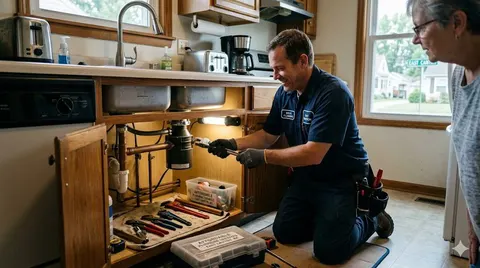
professional assistance. A skilled plumber can identify and repair even the most elusive leaks, ensuring your home is efficient and your utility bills are kept in check.
Use a Water Calculator to Estimate Consumption
Utilizing a water calculator can be a transformative step in managing your home's water consumption. These tools help you quantify your daily usage, providing a clear picture of where you can implement WaterSense labeled plumbing fixtures to maximize efficiency. By inputting details about your household's habits and the types of fixtures you use, you'll receive tailored recommendations that can lead to substantial savings on your utility bills.
Consider the impact of rainwater harvesting on your water conservation efforts. When you enter data about your property's size and local rainfall patterns into a water calculator, you'll gain insights into how much rainwater you could collect. This information can guide you in setting up a system that reduces your reliance on municipal water and lowers your expenses, all while contributing to a sustainable home energy saver plan.
Even your landscaping choices can benefit from a water calculator's analysis. By assessing your garden's needs and mower usage, the calculator can suggest optimal watering schedules and techniques. This ensures that you're not overwatering your lawn, which not only conserves water but also reduces the strain on your mower, leading to longer equipment life and fewer repairs. In turn, you'll see a decrease in both your water and maintenance bills, proving that informed decisions can have a ripple effect on your home's overall energy and resource efficiency.
Implement Indoor Water-Saving Practices
Turning your attention indoors, you can engage in water saving methods that not only conserve moisture but also reduce your electric bill. Addressing dripping faucets and running toilets is a straightforward fix that can significantly enhance energy efficiency programs.
Installing low-flow showerheads and faucet aerators, as well as operating dishwashers and washing machines only when full, are practical steps you can take. Moreover, simple habits like shutting off the tap while brushing teeth or washing dishes contribute to a more sustainable use
of resources. These measures, when combined with proper furnace maintenance, can lead to a marked decrease in utility expenses.
Fix Dripping Faucets and Running Toilets
Addressing the constant drip of a faucet or the incessant run of a toilet is more than a nuisance fix; it's a crucial step in conserving groundwater. A single faucet leaking one drop per second can waste over 3,000 gallons of water per year, which is a direct hit to your utility bills and a needless strain on our water resources. By replacing worn washers or valve seats, you can stop these leaks and contribute to the "save our water" initiative, ensuring that every gallon is used purposefully.
While you're mindful of water conservation, don't overlook the role your thermostat plays in overall resource management. A properly set thermostat ensures that heating and cooling systems aren't working overtime, which can indirectly lead to increased water usage, especially in systems that rely on water for cooling. By syncing your thermostat settings with your daily routine, you can optimize your home's energy and water efficiency, embodying practical ways to conserve water and energy.
Lastly, consider the lighting in your home. Switching to a fluorescent lamp, which generates less heat than traditional bulbs, can reduce the need for air conditioning, thereby saving water used in cooling systems. This simple change, along with fixing leaks, embodies a holistic approach to water conservation. You'll not only save our water but also see a noticeable decrease in your monthly bills, proving that small, informed decisions can lead to significant savings and sustainability.
Install Low-Flow Showerheads and Faucet Aerators
Integrating low-flow showerheads into your bathroom is a straightforward move that can significantly bolster your home's energy conservation efforts. These fixtures are designed to reduce water flow while maintaining pressure, allowing you to enjoy your shower without the guilt of excessive water use. In the midst of a drought, such an upgrade is not just a persona l cost-saving measure, but a responsible choice for community water preservation.
When you replace your standard faucet aerators with low-flow alternatives, you're taking a vital step towards reducing your household's water footprint. This simple switch can save gallons of water each day, lessening the demand on your water heater and, consequently, the energy required to run your stove and other appliances. Your dishwasher will operate more efficiently as well, contributing to a cycle of conservation that benefits both the environment and your
utility bills.
Embracing xeriscaping in your garden complements the indoor water-saving measures you've
implemented. By choosing plants that thrive with minimal watering, you extend the principles of water conservation to your outdoor spaces. This approach, paired with the use of low-flow fixtures inside, creates a comprehensive strategy that addresses the urgent need for water conservation during drought conditions and leads to a noticeable reduction in your monthly utility expenses.
Operate Dishwashers and Washing Machines With Full Loads
Running your dishwasher and washing machine only when they are full is a simple yet effective method to conserve drinking water in your household. This practice minimizes the number of cycles you run, which not only saves water but also reduces the use of natural gas or electricity needed to heat the water, ultimately helping you save on your electric bill. It's a straightforward change that can have a substantial impact on your utility expenses.
When you wait to operate these appliances until you have a full load, you're maximizing the efficiency of every water spray within the machine. This ensures that each cycle is used to its full potential, leading to less frequent use and a decrease in the overall consumption of water and energy. You'll notice the difference in your monthly bills, reflecting the savings from this smart usage pattern.
Consider the cumulative effect of this practice on your water conservation efforts. If every household adopted this habit, the amount of drinking water saved could be significant. By making this small adjustment to your routine, you contribute to a larger movement of resource conservation, demonstrating that individual actions can lead to collective benefits for both the environment and community utilities.
Turn Off the Tap While Brushing Teeth or Washing Dishes
Turning off the tap while brushing your teeth is one of the 5 ways you can save water and contribute to the sustainability of our aquifers. This simple act can save up to 8 gallons of water per day, enhancing water quality by reducing the strain on our water treatment systems.
By making this a habit, you're not only conserving water but also playing a part in protecting the long-term health of our water sources.
When washing dishes by hand, you might not realize the impact of a running tap on your water bill and the environment. By filling a basin instead of letting the water run, you engage a water-saving technique that can significantly reduce your household's water usage. This practice, coupled with a sensor that alerts you to water flow, ensures that you use only what you need, safeguarding both your finances and our precious water resources.
Consider the role of a condenser in your home's water system; it's designed to maximize efficiency by recirculating water. Similarly, by shutting off the tap during routine tasks, you're effectively acting as a manual condenser, optimizing water use and preventing waste. This small change in behavior can have a profound effect on your utility bills and the conservation of water, demonstrating that individual actions can lead to substantial collective benefits.
Adopt Outdoor Water Conservation Techniques
Turning your focus to the outdoors, you can adopt several water conservation techniques that not only reduce your water footprint but also trim your utility bill. Watering lawns during the cooler hours of early morning or late evening minimizes evaporation, while integrating drought-resistant plants and native landscaping supports the local ecosystem and requires less maintenance. The installation of drip irrigation systems targets root zones directly, enhancing water efficiency. Additionally, collecting rainwater for garden use is a sustainable practice that aligns with water conservation facts, ensuring your garden thrives without straining resources.
Each of these strategies, from the nozzle you choose for your hose to the way you manage your fireplace, contributes to a comprehensive approach to water conservation.
Water Lawns During Early Morning or Late Evening
Watering your lawn during the cooler hours of early morning or late evening can significantly reduce evaporation. This timing allows the soil to absorb more water, making each drop count and reducing the need for frequent watering. By adjusting your sprinkler system to operate during these optimal times, you're not only conserving water but also contributing to a lower electric bill, as less energy is required to pump and heat water throughout the day.
If you're wondering how you can lower your electric bill, consider the benefits of syncing your irrigation with solar power. By using a timer that leverages solar energy, you can automate your watering schedule to take advantage of the cooler parts of the day without relying on the main power grid. This eco-friendly approach minimizes the use of plastic in traditional timers and helps prevent leaks in your irrigation system, ensuring efficiency and sustainability in
your garden maintenance.
Investing in a rainwater collection tank for your garden can also lead to substantial savings on
your water bill. By using stored rainwater to hydrate your lawn during the recommended early morning or late evening hours, you're utilizing a free resource that's gentle on your plants and your wallet. This practice not only aids in water conservation but also reduces the strain on municipal systems, showcasing a practical solution to managing your outdoor water use effectively.
Use Drought-Resistant Plants and Native Landscaping
Integrating drought-resistant plants into your landscaping is a strategic method to conserve water at home. These resilient species require minimal irrigation, reducing your reliance on the water supply and lowering your utility bills. By selecting plants adapted to your region's climate, you can create a garden that thrives with less water, eliminating the need for frequent adjustments to your irrigation valve.
Embracing native landscaping is not only an effective method to conserve water, but it also supports local biodiversity and reduces maintenance costs. You'll find that native plants often have a natural resistance to pests and diseases in your area, which means less water and fewer chemicals are needed to keep them healthy. This approach aligns with eco-friendly practices and contributes to a sustainable outdoor environment that complements your home's natural
setting.
When you choose to landscape with native species and drought-tolerant plants, you're also
reducing the need for a complex irrigation docket. This simplifies your gardening routine and allows you to enjoy the benefits of a beautiful yard without the high costs associated with extensive watering systems. Even without a green thumb, you can achieve a lush outdoor space that conserves water and energy, especially when paired with other efficient methods like using a ceiling fan to circulate air and reduce heat stress on plants.
Install Drip Irrigation Systems
Integrating a drip irrigation system into your landscape design is a smart move that aligns with the 5 ways of water conservation. This method delivers water directly to the base of your plants, reducing evaporation and runoff, and ensuring that every drop is used efficiently. By adopting this technique, you're not only adhering to the California Public Utilities Commission's guidelines for water conservation but also setting a standard for responsible water use in your community.
During times of emergency, such as drought conditions, a drip irrigation system proves to be an invaluable asset. It allows you to maintain your garden's vitality without overtaxing the water supply, a practice supported by the Energy Information Administration's findings on efficient water usage. By using this system, you're taking a proactive step in safeguarding your landscape's health and your wallet, even in the most challenging circumstances.
Remember to regularly check and replace the air filter in your drip irrigation system to ensure optimal performance. A clean filter prevents clogs and maintains consistent water pressure, which is crucial for the system's effectiveness. This simple maintenance task is a key component of water conservation strategies and can lead to significant savings on your utility bills, demonstrating that attention to detail can have a substantial impact on resource management.
Collect Rainwater for Garden Use
Harvesting rainwater for your garden is a practical application of the EPA WaterSense program's principles, allowing you to lessen your dependence on the municipal water supply.
By installing a simple pipeline system that channels rainwater from your roof into storage barrels, you can create a reserve of water for dry periods. This method not only aligns with
ideas to conserve water but also reduces the strain on community resources, making it a responsible choice for any homeowner.
Consider the synergy between rainwater collection and solar energy: by equipping your storage system with a solar-powered pump, you can distribute water throughout your garden
without tapping into the electrical grid. This integration exemplifies a sustainable approach to water management, ensuring that your garden remains lush while your utility bills and environmental footprint diminish. It's a clear demonstration of how modern technology can support age-old conservation practices.
Implementing a rainwater collection system is a direct action you can take to contribute to water conservation efforts. As you utilize this natural resource for your garden, you're not only providing your plants with soft, untreated water that's ideal for their growth, but you're also setting an example in your community for sustainable living. This approach is a testament to the
fact that innovative solutions to conserve water can be both simple and highly effective.
Upgrade to Water-Efficient Appliances and Fixtures
Embracing a water conservation program at home extends to the appliances and fixtures you choose. Opting for Energy Star certified washing machines, replacing old toilets with dual-flush models, and installing tankless water heaters are among the five ways of saving water that also reduce greenhouse gas emissions. Smart irrigation controllers complement your drip irrigation efforts, rounding out the ways to conserve water at home. Each of these upgrades plays a crucial role in minimizing water waste and can lead to significant savings on your utility bills.
Choose Energy Star Certified Washing Machines
Investing in an Energy Star certified washing machine is a wise decision for your water conservation plan. These appliances are rigorously tested to ensure they use less water and energy, which can lead to significant savings on your utility bills. By choosing a model with a rebate, you can further offset the initial cost, making it an economically smart upgrade for your home.
When you integrate an Energy Star certified washing machine into your household, you're not just reducing water usage; you're also contributing to a healthier environment. These machines often come with settings that adjust water levels based on the load, which means your lawn's need for mulch to retain moisture could decrease as less water is wasted in your basement laundry room.
As part of your broader water conservation plan, remember that an Energy Star certified washing machine can save thousands of gallons of water annually. This efficiency translates into more than just lower bills; it's a tangible contribution to the sustainability of your community's water resources, ensuring that every cycle is a step towards a more responsible use of our precious water supply.
Replace Old Toilets With Dual-Flush Models
Replacing your old toilet with a dual-flush model is a smart move towards enhancing your home's water efficiency. These innovative bowls offer two flush options—one for liquid waste and another for solids—allowing you to use just the right amount of water for each flush. This simple upgrade can significantly reduce the volume of water your household consumes, contributing to both water conservation and the reduction of your utility bills.
By installing a dual-flush toilet, you're not only saving water but also supporting recycling efforts. The reduced demand on your hot water heater and the overall water system means less energy is used, which in turn lowers greenhouse gas emissions. This aligns with the principles of a sustainable lifestyle, where water saving devices play a crucial role in conserving our planet's resources.
Consider the added benefit of dual-flush toilets in your composting efforts. With less water per flush, these toilets can be paired with composting systems to further reduce water usage and create a nutrient-rich compost for your garden. This synergy between water saving devices and eco-friendly practices like composting exemplifies a holistic approach to sustainability in your home.
Opt for a Tankless Water Heater
Switching to a tankless water heater is a savvy home improvement choice that can enhance your water conservation efforts. Unlike traditional models, tankless heaters provide hot water on demand, eliminating standby power loss and conserving energy. This upgrade not only reduces the strain on water resources but also offers the convenience of continuous hot water, making it a practical addition to modern homes.
When you install a tankless water heater, you're investing in a system that directly heats water as it flows through the pipe, ensuring you use only what's necessary. This efficient method can lead to lower utility bills and a reduced environmental impact, aligning with sustainable landscape design principles that prioritize resource conservation.
Embrace the benefits of a tankless water heater and witness how it can transform your daily water usage. By eliminating the need to store and constantly reheat water, you're not only saving energy but also extending the life of your plumbing system. This forward-thinking approach to water heating is a testament to how targeted home improvements can have a lasting positive impact on both your finances and the planet's water resources.
Install Smart Irrigation Controllers
Integrating smart irrigation controllers into your landscape management is a strategic move to curb water waste and reduce utility bills. These intelligent systems adjust watering schedules based on real-time weather conditions, preventing overwatering and minimizing leaks. You'll find that your garden remains vibrant without excessive water use, which in turn can lead to a more efficient air conditioning system as the surrounding air remains cooler and requires less energy to regulate.
By employing smart irrigation controllers, you're not just conserving water; you're also protecting the integrity of your home's structure. Excess water can lead to dampness that affects your ceiling, walls, and ducts, potentially causing costly damage. A smart system ensures that water is applied only when needed, safeguarding your home and contributing to a more sustainable environment.
Consider the added convenience of managing your irrigation system remotely. With smart controllers, you can adjust settings from your phone, ensuring that your garden receives the right amount of water even when you're away. This level of control can also extend to other areas of your home, such as using a dimmer for lights, which similarly conserves energy and reduces your utility expenses. It's a seamless way to ensure that your home operates at peak efficiency, both in water usage and energy consumption.
Modify Daily Habits to Reduce Water Consumption
Shifting your daily routines can significantly impact water conservation and help you find ways to lower your electric bill. Simple actions like taking shorter showers, using a broom instead of a hose for cleaning driveways, defrosting food in the refrigerator, and reusing cooking water for plants can contribute to a more sustainable household. These practices not only support public utility conservation efforts but also enhance soil moisture without excess waste.
Sealing leaks with caulk is another effective measure to prevent water loss. Together, these strategies form a practical approach to reducing consumption and reporting water waste, ensuring every drop is used efficiently.
Take Shorter Showers
Embracing water saving ideas in your daily routine can lead to substantial conservation of resources. One effective method is to reduce the duration of your showers. By shortening your shower time, you can save several gallons of water each day, contributing to a decrease in your utility bills and a positive impact on the environment.
Consider the benefits of installing a water saving shower head in your bathroom. This simple change can significantly cut down the gallons of water used during each shower without compromising the comfort of your bathing experience. It's a practical solution that supports your goal of conserving water while maintaining the quality of your daily hand washing and hygiene
practices.
Lastly, being mindful of the time you spend under the shower can also encourage you to make
other water-efficient choices, such as turning off the tap while lathering or brushing your teeth at the sink. These small adjustments to your habits can collectively lead to a considerable reduction in water usage, showcasing how individual actions can contribute to broader conservation efforts.
Use a Broom Instead of a Hose for Cleaning Driveways
When you opt for a broom to clear your driveway instead of a hose, you're actively reducing water consumption. This simple switch is a practical step in your home's sustainability audit, ensuring that you're not using precious resources for tasks that can be accomplished with manual effort. By sweeping away leaves and debris in the warmth of sunlight, you not only conserve water but also enjoy the added benefit of a little outdoor exercise.
Consider the impact on your utilities when you make conscious choices like this one. Replacing the hose with a broom can save gallons of water each time you clean, directly contributing to lower water bills. It's a straightforward habit that, over time, can lead to significant savings and bolster your commitment to sustainability.
As you embrace this eco-friendly practice, you're also setting an example for water-wise behavior in your community. Encouraging neighbors to conduct their own water consumption audit and adopt similar habits can amplify the benefits, leading to a collective effort in utility conservation. This shared commitment to sustainability can foster a sense of pride and responsibility, furthering the cause of resource preservation.
Defrost Food in the Refrigerator Instead of Under Running Water
Planning ahead by defrosting your food in the refrigerator is a simple yet effective way to conserve water. This method eliminates the need to run water continuously over your food, which can lead to unnecessary waste. By transferring your frozen items to the fridge well in advance, you're also ensuring that your microwave oven is used more efficiently, as it won't have to work as hard to defrost or cook partially frozen items.
Using your refrigerator for defrosting is not only about saving water; it's also a safer method that maintains food quality. This practice reduces the reliance on your microwave oven, a small appliance that, while convenient, can sometimes lead to uneven thawing. Moreover, it's a step towards sustainable energy use in your kitchen, as it minimizes the need for additional electricity that would otherwise be used for rapid defrosting.
Remember, proper ventilation is key when storing food in the refrigerator to defrost. This ensures that air circulates effectively, maintaining a consistent temperature and preventing any potential food safety issues. By adopting this habit, you're not just cutting down on water waste;
you're also contributing to a more sustainable and energy-efficient kitchen routine.
Reuse Cooking Water for Plants
Reusing cooking water for your plants is a simple yet effective way to conserve water in your daily routine. After boiling pasta or vegetables, let the water cool and then nourish your garden with it, ensuring that nutrients and water are not wasted. This practice not only hydrates your plants but also contributes to a more sustainable household, aligning with the principles of a comprehensive energy audit that seeks to minimize waste.
As you become more adept at leak detection in your home, consider the water saved from reusing cooking water as another form of leak prevention. By repurposing this resource, you're preventing the 'leak' of valuable water and nutrients into the sewer system. This tip is particularly useful if you're running a programmable thermostat, as it complements your efforts to optimize resource use and energy efficiency within your home.
Integrating the reuse of cooking water into your plant care regimen is a practical example of an easy-to-implement conservation strategy. It's a step that enhances your personal water conservation program, demonstrating that small, mindful actions can have a significant impact on reducing your utility bills and preserving vital resources.
Monitor and Maintain Your Conservation Efforts
To ensure the longevity and effectiveness of your water conservation efforts, it's essential to maintain vigilance in several key areas. Regularly review your water bills for unexpected increases, which can signal leaks or inefficiencies. Educate your family members on the 10 ways of water conservation to foster a collective approach to saving water. Stay informed about local water restrictions and programs that may affect your usage. Additionally, scheduling periodic home inspections for leaks is crucial for preserving both water and energy, especially if you're using Energy Star appliances. These proactive steps not only help to reduce water usage but also contribute to minimizing your carbon footprint and utility expenses.
Regularly Review Water Bills for Unexpected Increases
Keeping a close eye on your water bills can serve as an early warning system for any irregularities in your consumption patterns. If you notice a sudden spike in your bill, it could be an indication of a leak or an inefficiency in your home's water system. Addressing these issues promptly not only supports water conservation efforts but also ensures that you're not placing undue stress on the electrical grid, which can lead to higher utility costs.
Regular bill analysis allows you to track the effectiveness of your water conservation program over time. By correlating your usage with climate patterns, you can adjust your water-saving strategies accordingly. For example, during drier months, you might focus on optimizing the use of organic matter in your garden to retain moisture, thereby reducing the need for supplemental watering.
Understanding the nuances of your water bill can also guide you to make informed decisions about your household's water use. You might discover that certain appliances or habits are disproportionately affecting your bill. By identifying these areas, you can implement targeted changes that contribute to a more sustainable consumption of resources, aligning with broader environmental conservation goals.
Educate Family Members About Saving Water
Instilling water-saving habits within your family is crucial for reducing tap water usage and can significantly save money on your electric bill. Encourage your loved ones to adopt simple practices like turning off the faucet while brushing teeth or shaving, which can conserve a substantial amount of water over time. By collectively embracing these habits, your household can make a meaningful impact on both the environment and your utility expenses.
Adding weatherstripping to doors and windows not only prevents drafts but also helps in maintaining a consistent temperature, reducing the need to frequently adjust the thermostat.
This indirectly conserves water by minimizing the use of heating or cooling systems that can be water-intensive. As you teach your family about these energy-saving techniques, you're also guiding them on how to optimize the use of appliances like the oven, ensuring they're full before use to avoid wasting energy and water.
Creating a rain garden is an excellent project to involve your family in water conservation efforts. This sustainable feature captures runoff and facilitates groundwater recharge, reducing the demand on municipal systems. As you work together on this eco-friendly addition, you're not only beautifying your home but also instilling a sense of responsibility towards water conservation, demonstrating how small, collective actions can lead to significant savings and environmental benefits.
Stay Informed About Local Water Restrictions and Programs
Staying abreast of local water restrictions and conservation programs is essential for managing your utility bills effectively. By understanding the guidelines set forth by your community, you can adjust your water usage accordingly, ensuring compliance and maximizing savings. For instance, a smart thermostat can help you adhere to time-of-use restrictions by optimizing your home's heating and cooling schedules, thus conserving both energy and water resources.
Local programs often provide incentives for homeowners who implement water-saving measures, such as installing a rain barrel to collect runoff from your roof. Taking advantage of these programs not only reduces your utility bills but also supports your community's efforts in resource management. It's a proactive step that can lead to both immediate and long-term financial and environmental benefits.
Regularly reviewing updates from your water utility company can alert you to opportunities for reducing consumption, such as participating in a water audit. These audits can identify areas where you can improve efficiency, from the way you rinse dishes to the type of landscaping you choose. By staying informed and taking action, you can ensure that your water conservation practices are as effective as possible, leading to noticeable reductions in your utility bills.
Schedule Periodic Home Inspections for Leaks
Regular home inspections for leaks are a cornerstone of any water conservation project, ensuring that your efforts in water efficiency translate into tangible savings on your utility bills.
By scheduling these inspections, you're taking a proactive stance, akin to investing in renewable energy, where the upfront effort yields long-term benefits. A professional plumber
can help you identify and rectify any hidden leaks, which might otherwise go unnoticed, yet steadily inflate your water usage and costs.
Participation in programs funded by the universal service fund can often provide you with resources or rebates for conducting these essential inspections. These programs are designed
to support your commitment to water efficiency by making it more affordable to maintain your plumbing infrastructure. By taking advantage of such opportunities, you're not only safeguarding your home against water waste but also contributing to the broader goal of resource conservation.
Remember, consistent vigilance is key to the success of your water conservation efforts.
Periodic leak inspections are a form of insurance against the gradual erosion of your water efficiency gains. They ensure that every drop of water flowing through your pipes is accounted for and used purposefully, aligning with the principles of sustainable living and helping you manage your water-related expenses more effectively.
Conclusion
Implementing effective water conservation strategies, such as monitoring usage patterns, repairing leaks, and upgrading to efficient appliances, is crucial for reducing utility bills and preserving our vital water resources. By adjusting daily habits and embracing smart technology, households can significantly lower their water and energy consumption, leading to both financial savings and environmental benefits. Regular maintenance and staying informed about local water programs further ensure the sustainability of conservation efforts. Ultimately, each action taken towards water efficiency contributes to a collective impact, safeguarding the resource for future generations while easing the financial burden on families today.
Have a question about this topic? Contact K & K Plumbing or call 330-875-8003 for a free estimate.